When China issued a travel advisory urging its citizens to avoid Japan in November 2025, the world expected Japan to panic about lost tourism revenue. Instead, something unexpected happened: a significant portion of Japanese people quietly breathed a sigh of relief.
So what led to this surprising reaction??
It all started with escalating diplomatic tensions.
- Background
- “Thank You for Not Coming”?
- The Surprising Business Response
- China’s Real Motives
- The Divided Response
Background
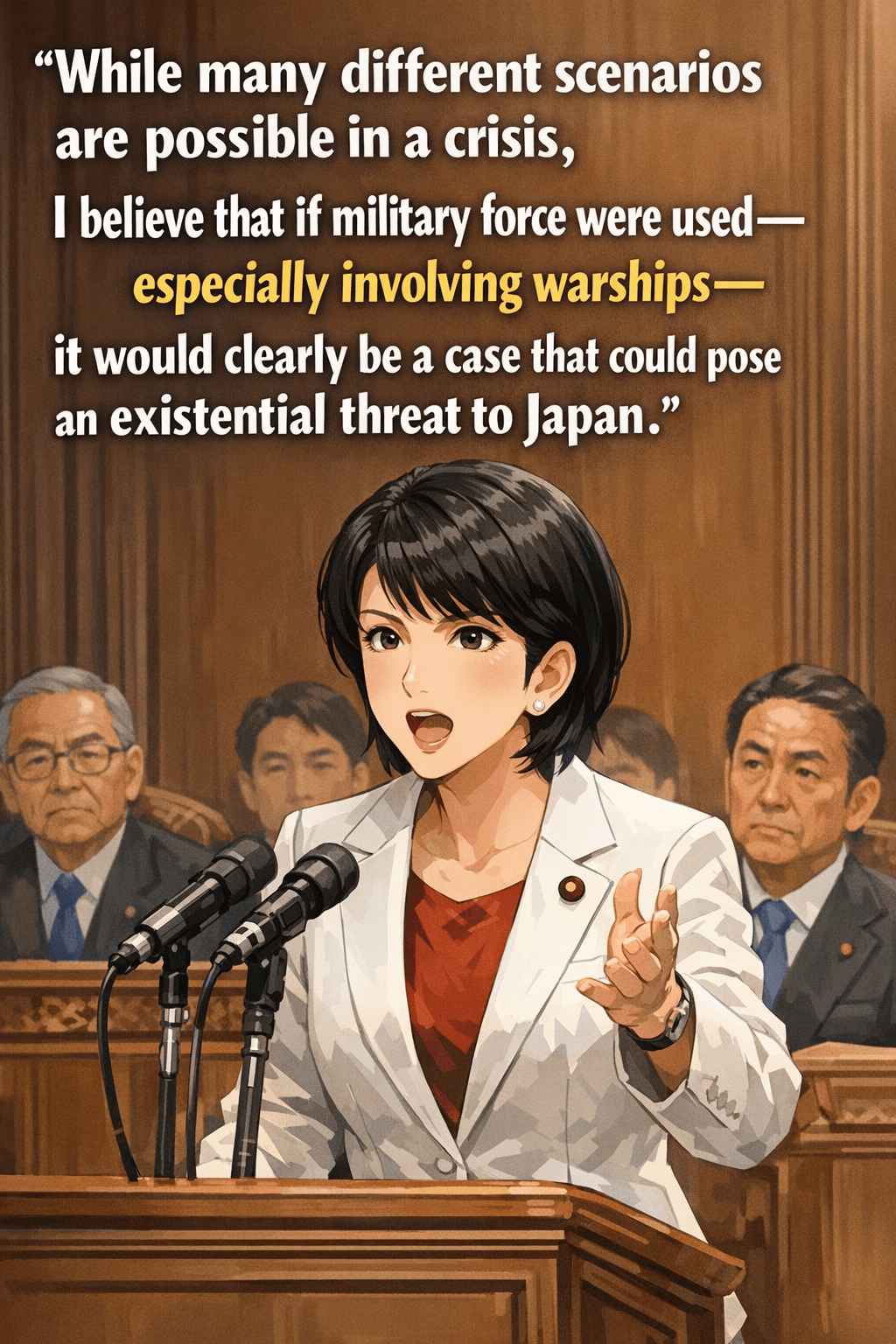
The advisory came after Prime Minister Sanae Takaichi said in Japan’s parliament that a Chinese attack on Taiwan could be seen as a “situation threatening Japan’s survival.”
Beijing was furious, summoning Japan’s ambassador and, on November 14, issuing the travel warning citing “significant risks” to Chinese citizens in Japan.
Tokyo protested immediately, calling the safety concerns exaggerated. And they had a point.
Japan ranks 12th globally in the 2025 Global Peace Index, while China ranks far lower. There was almost no spike in crimes against Chinese residents. Most analysts saw it for what it was a political theater.
“Thank You for Not Coming”?
But here’s where it gets interesting. Japanese social media exploded with mixed reactions, and many weren’t negative at all.
One user posted a photo of Kansai Airport’s packed walkways:
“70% are Chinese tourists. Honestly, the travel advisory might help us a lot.”
Replies poured in: “It’s like luck,” “Finally, Japanese people can enjoy the sights again.”
Conservative politician Haruo Kitamura even tweeted:
“Thank you very much for refraining from traveling to Japan.“
… a provocative sentiment that echoed what many felt privately.
The Overtourism Problem
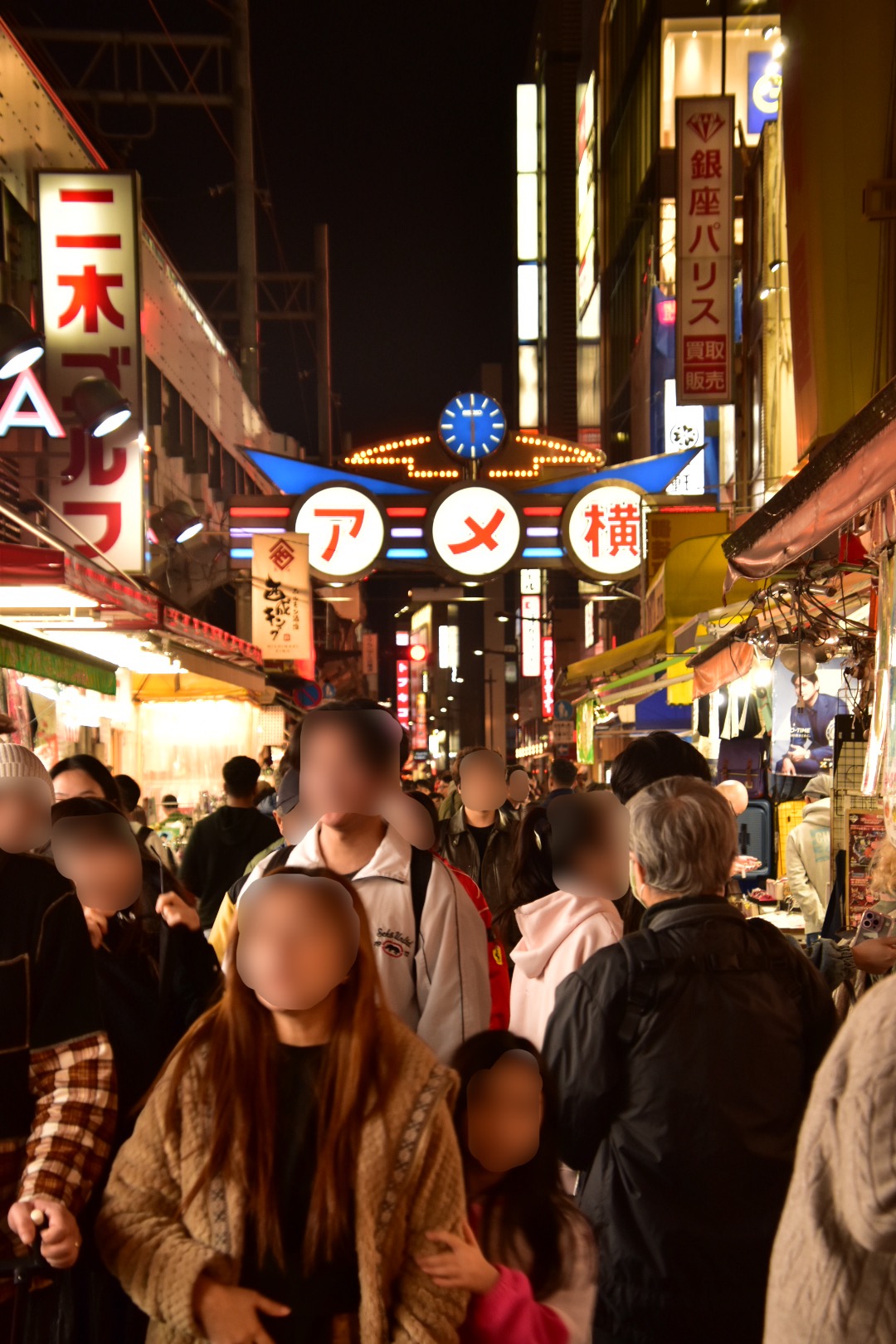
While it’s great to see so many visitors from around the world, the heavy foot traffic in key areas has become a bit overwhelming.
The city is essentially struggling to find a balance between being a top travel destination and maintaining daily life for its residents.
This reaction didn’t come from nowhere. Japan has been struggling with overtourism for years.
Kyoto temples overrun with tour groups. Train stations so crowded locals can’t board. Hotels converted to tour dorms. Noise complaints, litter, infrastructure strain… the list goes on.
For years, there’s been a growing sense of exasperation in Japan regarding the behavior of certain visitors from China.
The friction usually boiled down to a few key issues: loud talking in public (which some see as a linguistic trait rather than intentional rudeness), littering, and a general unfamiliarity with Japanese social norms.
These lapses in etiquette, while perhaps small individually, added up to a significant reputation problem for certain visitor groups.
These issues became quite notorious, and it’s undeniable that they soured the public’s perception of inbound tourism to some extent.
The Surprising Business Response
A Teikoku Databank (One of Japan’s largest credit rating agencies) survey of 1200 companies revealed surprising nuances:
- 42.8% expected negative impact initially
- But 40.8% foresaw no impact at all
- 5.6% even saw positives
Looking six months ahead, the outlook improved—negative expectations dropped to 36.4% while positives rose to 11.1%. Companies mentioned benefits like “improvement in overtourism” and “domestic business travel will increase.”
One info-services company noted: “Japanese companies will book more hotels and transport—a plus for the hospitality sector.”
The economic impact is certainly there, but it remains relatively limited.
While analysts point to a potential $1.2 billion loss in tourist spending and a 0.3% dip in GDP, these figures haven’t been as crippling as some feared.
More importantly, from a corporate perspective, avoiding excessive dependence on any single country or market is a basic principle of risk management.
In that sense, this episode has served to expose what is often referred to as “China risk,” prompting many firms to reassess their exposure.
Rather than triggering panic, it has become a catalyst for diversification and a gradual move away from overreliance on the Chinese market.
This corporate response cannot be fully understood in isolation from broader public sentiment. Business decisions do not exist in a vacuum… they are shaped, in part, by the social and political climate in which companies operate.
Against this backdrop, Japanese public sentiment toward China is at historic lows.
A 2024 survey found only 7.3% of Japanese feel “affinity” toward China, while 73.1% feel none. Another poll showed 75.5% view Japan-China relations as “not good.”
To understand the current tension, we need to look at the history.
Decades of anti-Japanese rhetoric in Chinese schools, long-standing disputes over the Senkaku Islands, and recent military posturing have all fueled a deep sense of mutual distrust. It’s a complex mix of historical baggage and modern-day security concerns.
When you add security anxieties about Taiwan and North Korea, Chinese visitors aren’t always seen as just tourists—some view them through a security lens.
China’s Real Motives
Beijing’s official line about security concerns, or “hate crimes” against Chinese in Japan didn’t hold up to scrutiny. Japanese police data showed no such spike.
While Japan isn’t entirely free of discrimination, the actual risk of encountering racial abuse or verbal attacks is extremely low in daily life.
Whether you’re Chinese or another nationality, most visitors and residents find Japan to be a safe and respectful environment. Once we’re here for a while, we’ll likely see that the fear of targeted harassment is largely disconnected from the everyday reality.
The advisory was political signaling—appearing tough domestically while applying symbolic pressure on Tokyo without resorting to costly economic sanctions.
It’s a familiar pattern. China previously banned Japanese seafood over Fukushima treated water concerns that scientists called unfounded. The travel advisory fits the same playbook: nationalist posturing with minimal actual cost to China.
The Divided Response
Japanese reactions fell into three camps:
The Welcoming Camp: Celebrated reduced crowding and a chance to rebalance tourism toward domestic visitors. They saw it as breathing room.
The Concerned Camp: Worried about economic losses, GDP hits, and diplomatic fallout. They urged careful management of the situation.
Wait-and-See: Noted that many Chinese might ignore the advisory anyway, so the real impact remained unclear.
So, What Does This Mean?
The “welcome” reflects Japan’s tourism dilemma. Of course, tourism brings money. But at what cost?
Overcrowded cities, frustrated residents, and over-reliance on a single country’s visitors create vulnerabilities.
Kyoto, in particular, felt completely different after the travel restrictions.
The spots that are normally packed with visitors from China were suddenly much easier to navigate. Many remarked that it was a rare, peaceful window of time where you could truly appreciate the city’s beauty without the overwhelming crowds.
In fact, a surprisingly large number of people viewed the situation quite positively.
With the drop in Chinese tourists, hotel prices finally started to cool down, making it much more affordable for locals to travel.
With fewer visitors from China, the once-sky-high rates are finally starting to settle down to a more affordable level.
For many Japanese, this wasn’t seen as a crisis, but rather a perfect opportunity to visit Kyoto…! a place that had become almost inaccessible due to the sheer volume of people.
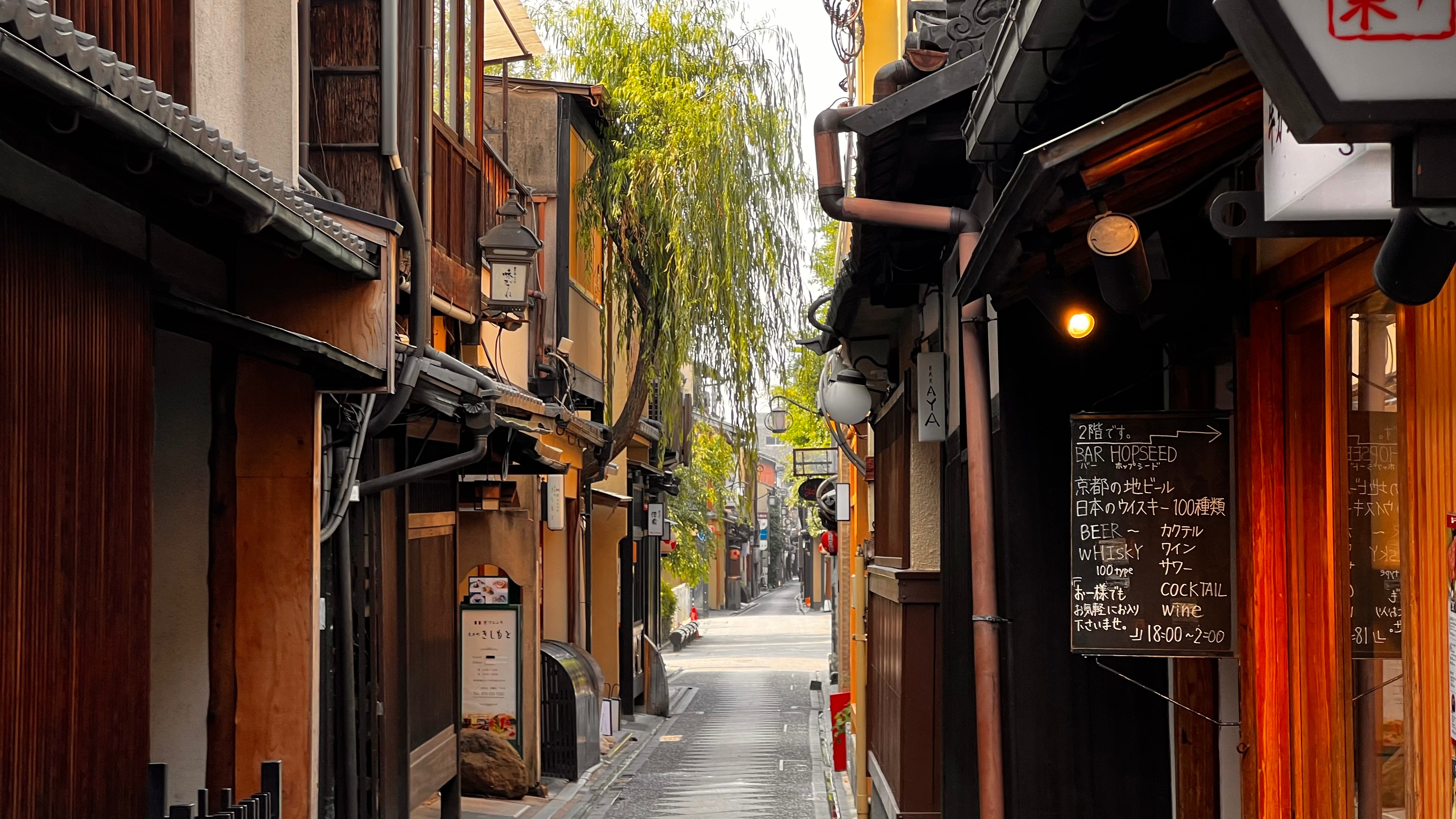
The spots that are normally packed with visitors from China were suddenly much easier to navigate.
It’s a delicate balancing act between economic necessity and quality of life.
As Japan navigates these choppy diplomatic waters, the true test will be how it redefines its hospitality.
Is a quieter, more local-friendly Japan worth the economic trade-off?
There are no easy answers, but for now, many are simply enjoying the rare chance to see Japan’s beauty in a new, calmer light.
…So, what do you think? Is this a crisis or a much-needed reset?

 Hirokitia