
Having dolphin meat.
This may come as a shock to many people, because dolphins are believed to be sacred animals in various cultures.
In some cultures, consuming dolphin meat is not uncommon and has deep historical or cultural roots.
For example, in parts of Japan and the Faroe Islands, dolphin meat is considered a traditional food. However, the practice has sparked controversy, particularly in Western countries, where dolphins are often regarded as intelligent, almost sacred creatures that should not be consumed.
This cultural clash adds a layer of complexity to the topic.
- What Is Dolphin Meat ?
- A Rare Delicacy: Tasting Dolphin Meat in Shizuoka
- Embracing Different Viewpoints: The Debate on Dolphin Meat
- Conclusion
What Is Dolphin Meat ?
From those who have tried it, dolphin meat is often described as having a gamey flavor, somewhat similar to venison or beef, with a rich and slightly fishy undertone. The texture can vary depending on how it’s prepared, ranging from tender to chewy.
Dolphin meat is usually high in fat, which contributes to its rich taste but also makes it prone to developing a strong, almost overwhelming flavor if not cooked correctly. The preparation method greatly influences its flavor profile.
In some regions, dolphin meat is grilled, smoked, or even stewed, with spices and marinades used to complement its natural taste.
One key challenge with dolphin meat is its potential to accumulate mercury and other toxins, which can pose health risks if consumed in large quantities.
However, the amount of mercury in dolphin meat is generally negligible when consumed within reasonable limits. As with any food, moderation is key to avoiding potential health issues!
A Rare Delicacy: Tasting Dolphin Meat in Shizuoka
During my visit to Shizuoka in Japan, I had the chance to try something truly unique—dolphin meat.
Shizuoka, famous for Mt. Fuji and its delicious Shizuoka-style Oden (a type of Japanese hotpot), offers this rare delicacy at certain places.
While exploring Aoba Oden Street, I discovered that some izakayas (Japanese pubs) still serve dolphin meat, a rarity in Japan today.
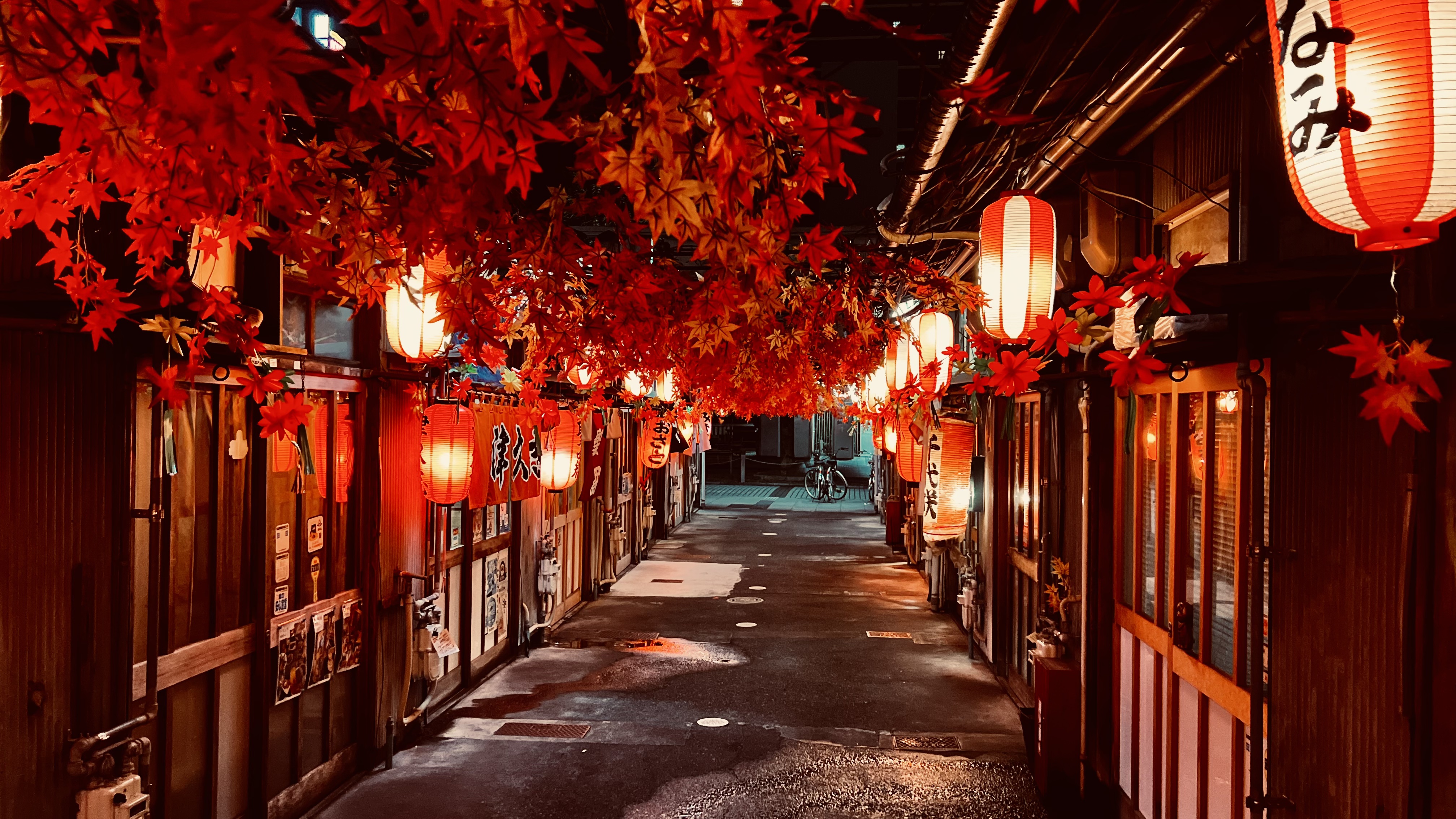
The dolphin meat I tried was grilled to perfection, with a taste and texture that reminded me of beef jerky. To my surprise, it paired exceptionally well with a dab of mayonnaise, enhancing its rich, smoky flavor.

Dolphin meat has a long history in Japan, especially in regions like Shizuoka, Wakayama, and Tohoku. Dolphin meat was once valued as a valuable source of protein. Along Suruga Bay in Shizuoka, it was once a common part of the local diet.
For many, eating dolphin isn’t just about trying something exotic—it’s tied to regional identity and cultural heritage.
Although it’s rare to find dolphin meat on menus today, the experience of tasting it offers a fascinating glimpse into Japan’s culinary traditions. If you’re feeling adventurous, Shizuoka might be one of the last places to try this unique dish.
Embracing Different Viewpoints: The Debate on Dolphin Meat
The question of whether dolphin meat should be consumed extends far beyond matters of taste—it delves into complex issues of ethics and sustainability.
Experiencing different cuisines from around the world can be an exciting way to connect with new cultures. However, it’s crucial to approach these traditions with respect and an open mind. What might seem unacceptable in one culture could hold deep historical or practical significance in another.
In many regions, dolphins are seen as intelligent and even sacred animals. Yet, in other parts of the world, they have been a traditional food source for generations, without the same cultural associations.
Criticism of eating dolphin meat often stems from the belief that their high intelligence makes them unsuitable for consumption, as they are sentient creatures. They’re capable of experiencing emotions such as love, joy, and amusement, as well as pain, fear, and suffering.
This raises an important question: is intelligence truly a valid criterion for determining which animals should or should not be eaten?
If intelligence were the determining factor, it could suggest that consuming animals considered less intelligent is more acceptable. This highlights how subjective and culturally shaped these value systems can be.
It’s similar to the case of foie gras, where the production and sale are prohibited in California, USA, due to concerns about animal cruelty.
In my view, it’s essential to acknowledge and respect the diversity of food cultures. Just as some people love dogs and cats as pets, others see them as food sources with long-standing local traditions. Every food culture deserves respect.
Ultimately, every animal—whether a cow, horse, bird, or fish—has inherent value. Judging dietary practices solely from one’s own cultural perspective is nothing but an imposition of those values on others, ignoring the broader context.
What matters most is being grateful for all ingredients and recognizing that every culture has its own customs and traditions.

Conclusion
Exploring culinary traditions with an open mind fosters greater cultural understanding, while acknowledging the ethical and environmental concerns surrounding these practices is equally important.
My experience in Shizuoka taught me to appreciate the cultural significance of food and the value of engaging in respectful, thoughtful discussions about global food practices.
Ultimately, exploring diverse cuisines offers more than just new flavors—it’s an opportunity to connect with the values, history, and identities that shape food practices worldwide.
By acknowledging the cultural significance, we can foster a deeper understanding of the world around us and contribute to more meaningful, respectful dialogues about food and sustainability.

 Hirokitia