
Moving to Japan as a Specified Skilled Worker (SSW) is an exciting opportunity, but managing your finances in one of the world’s most expensive countries globally can be challenging.
From high rent in big cities to everyday expenses, making ends meet in Japan can seem tough, especially if you’re new to the country and its financial system. Thankfully, you can reduce your expenses and manage your budget with a few smart strategies.
Here are some money-saving tips to help you make the most of your earnings while living and working in Japan!
- DON’T USE CONVENIENCE STORES
- GO TO SUPERMARKETS 1-2 HOURS BEFORE CLOSING
- MAKE THE BEST USE OF POINTS
- DON’T LIVE IN CENTRAL TOKYO
DON’T USE CONVENIENCE STORES
No one would deny that convenience stores (like 7-Eleven, Lawson, and FamilyMart) are literally convenient with their widespread locations and 24-hour availability. They make it easy to grab what you need anytime, anywhere.
However, this convenience comes at a price. The cost of snacks, drinks, and other daily necessities at convenience stores is usually higher compared to supermarkets and discount stores, largely because of the added convenience and non-stop service.
For example, a 600 ml bottle of Ito En’s Oi Ocha costs 148 yen (before tax) at 7-Eleven, whereas you can find the same bottle for around 90 yen at a discount store — more than a 50% difference!
To save money, try switching your shopping habits by frequenting supermarkets, discount stores, or drugstores. Here are some top recommendations:
- Lopia (Nationwide)
- ÆON Group Supermarkets (Nationwide)
- Trial (Nationwide)
- Gyomu Super (Nationwide)
- OK Corporation (Only in Kanto region)
- Don Quijote (Nationwide)
- Welcia (Nationwide)
- Tsuruha Drug (Nationwide)
- Matsumotokiyoshi (Nationwide)
GO TO SUPERMARKETS 1-2 HOURS BEFORE CLOSING
A great tip for saving money on groceries in Japan is to visit supermarkets about 1-2 hours before closing. Many supermarkets discount perishable items like bento boxes, sushi, bread, and ready-made foods as they near the end of the day.
Why Go Before Closing?
- Discounted Prices: As the store prepares to close, fresh foods that need to be sold that day are often marked down by 20%, 30%, or even 50%. These discounts are applied to items such as pre-made meals, bakery items, and fresh produce. Since products that are just before their expiration date will be discarded if they are not sold out by the time the store closes, the store wants to sell them at any cost, so it lowers the price.
- Maximizing Value: You can still get fresh, high-quality food at a fraction of the original price, making it an easy way to cut down your grocery bill without sacrificing quality.

Some supermarkets offer up to half price.
How It Works:
- Look for discount stickers that typically appear on products in the late afternoon or evening.
- Supermarkets like ÆON Group Supermarkets, Seiyu, and Ito Yokado frequently offer these end-of-day deals.
By shopping strategically, you can enjoy quality food at a fraction of the price!
MAKE THE BEST USE OF POINTS
In Japan, point systems such as Rakuten Point and V-Point can save you a lot of money if you use them wisely. These points can be earned and redeemed at numerous stores and online platforms, making them a powerful tool for cutting costs on daily purchases.
- Rakuten Ecosystem: Maximize Your Savings
Rakuten offers a vast ecosystem of services that allow you to earn points through almost every aspect of your life:

Cited from THE OFFICIAL BLOG OF RAKUTEN GROUP, INC.
Online Shopping: Shopping on Rakuten Ichiba lets you earn points on purchases, with additional point multipliers available during special promotions.
Rakuten Card: Using a Rakuten credit card for everyday expenses, like groceries or bills, earns you extra points.
Rakuten Mobile: You can even earn points by using Rakuten Mobile, and those points can be redeemed for discounts on your phone bill or other Rakuten services.
Rakuten Travel: When booking flights, hotels, or tours through Rakuten Travel, you earn points that can be used across the entire Rakuten ecosystem.
By using multiple services in the Rakuten ecosystem, points accumulate quickly and can be applied towards future purchases or bills.
- V-Point: Another Valuable Point System
V-Point is another widely accepted point system in Japan. You can earn and use V-Point at Welcia, FamilyMart, gas stations, and many other retailers.
How to Make the Most of Point Systems
Combine Purchases: When shopping online or in stores, try to use point systems like Rakuten Points or V-Point to get the most out of your money. Look for deals where you can earn extra points.
Check for Special Promotions: Keep an eye out for special campaigns on platforms like Rakuten Ichiba or Yahoo! Japan (for V-Point), where point rewards can multiply during certain events.
Redeem Smartly: Use your points to save on daily necessities, such as groceries, phone bills, or even utilities.
By fully utilizing the Rakuten and V-Point systems, you can significantly reduce your everyday expenses and make the most of your spending!
DON’T LIVE IN CENTRAL TOKYO
Tokyo offers endless opportunities but is also one of Japan’s most expensive places to live. High rent, crowded conditions, and costly daily expenses make it harder to save. If you are a billionaire, Tokyo must be a paradise for you.
Why Avoid Tokyo?
High Rent: The rent in Tokyo, especially in central areas, can be much higher than in other parts of Japan. A small apartment in central Tokyo can cost double or even triple the rent compared to nearby cities or rural areas. Remember many of Tokyo’s central districts are upscale neighborhoods where billionaires live.
Crowded and Competitive: The city’s popularity means there’s always competition for affordable housing, and prices are driven up.
Expensive Daily Costs: Groceries, dining out, and even transportation tend to be pricier in Tokyo compared to other regions.
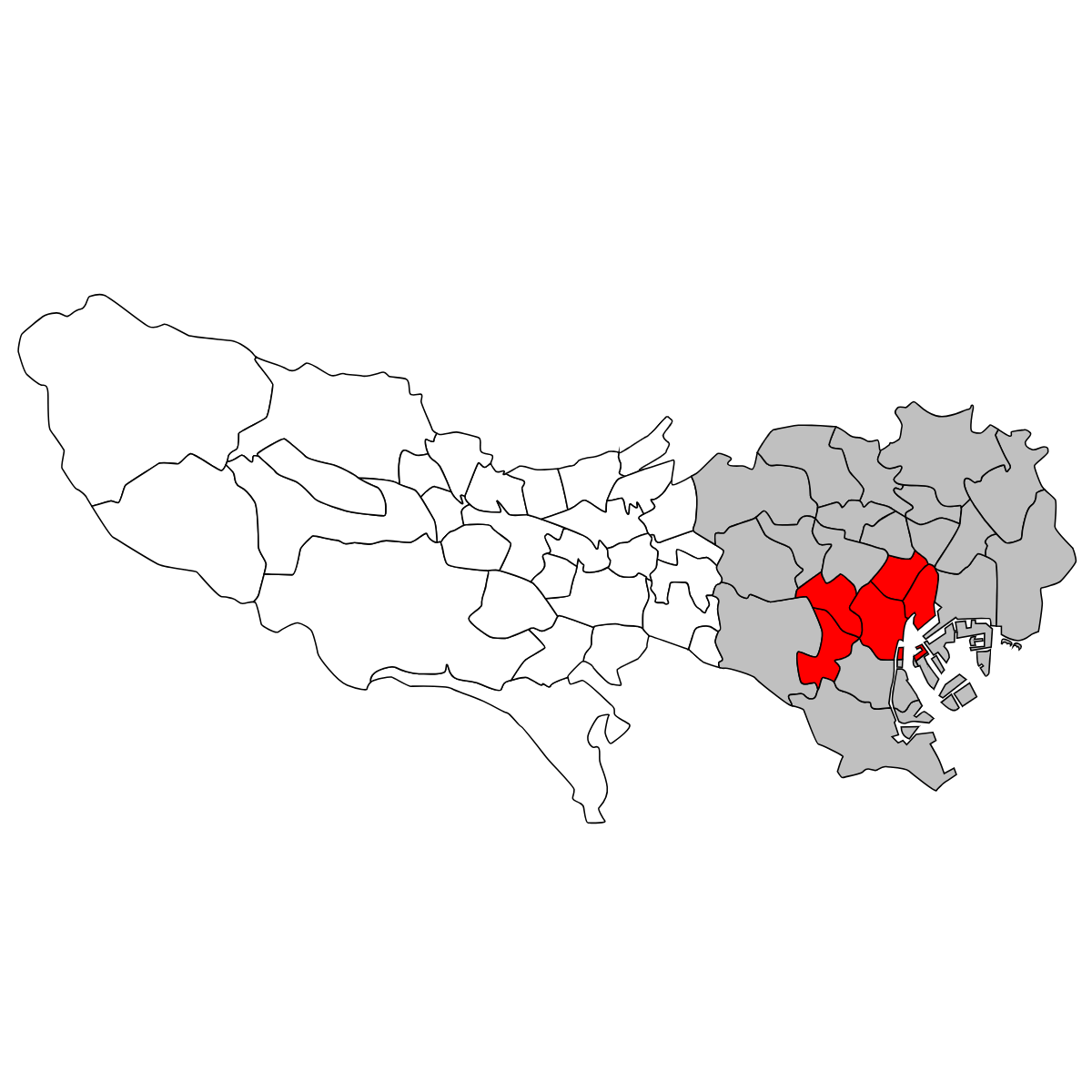
GRAY: Special wards
Avoid living in red areas
Try to consider alternatives. Instead of living in Tokyo, you can consider living in nearby cities such as:
・Saitama (just north of Tokyo)
・Chiba (to the east)
・Kanagawa (to the south)
These areas offer much lower rents, and with Japan’s excellent public transportation, commuting to Tokyo for work is still convenient.
Additionally, smaller cities or rural areas provide a more relaxed lifestyle with lower overall living costs, giving you more flexibility in managing your finances.
By living outside central Tokyo, you can significantly reduce your expenses and still enjoy easy access to the capital when needed.
Following these money-saving tips can help you manage your finances more effectively, allowing you to make the most of your experience in Japan as a Specified Skilled Worker.

 Hirokitia
「【Japan】: Essential Money-Saving Tips for SSW」への1件のフィードバック